Local · Listenseattle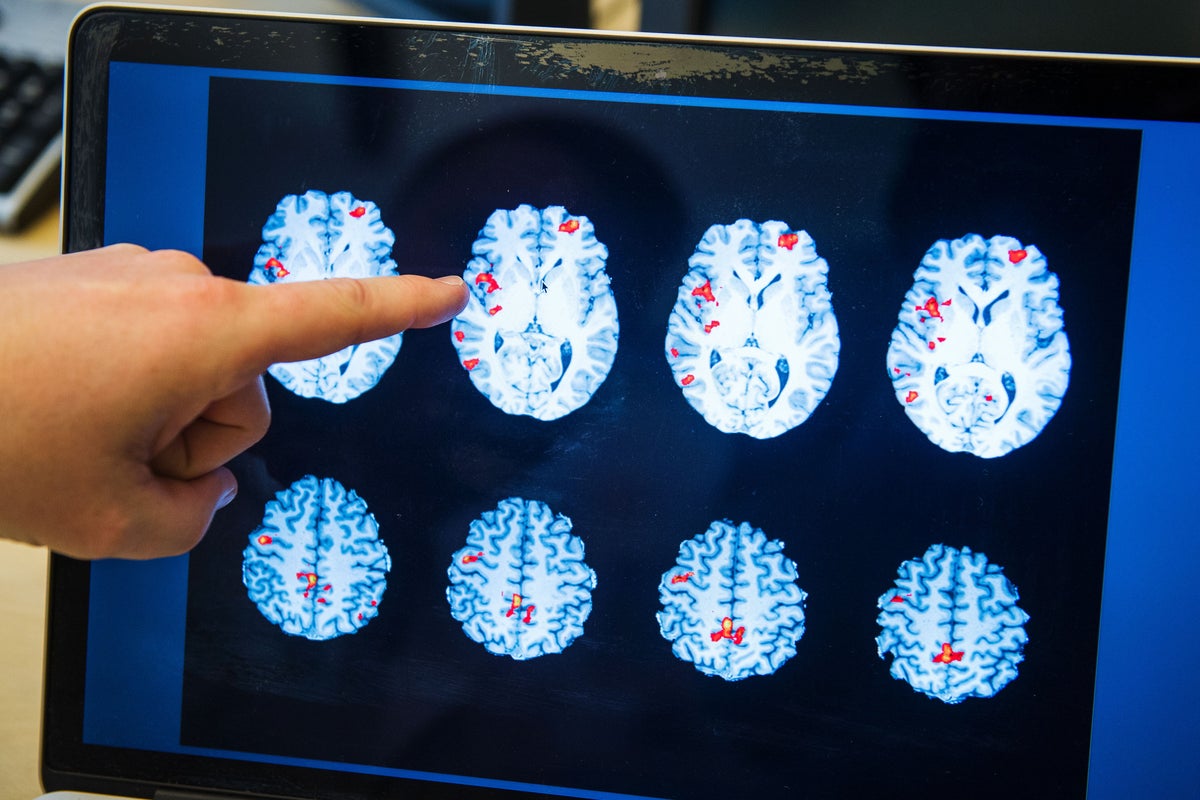
A pioneering pilot scheme offering rapid genetic analysis to brain tumour patients is set to "transform" both diagnosis and subsequent treatment, according to medical experts. The new DNA test will cut standard diagnosis times from weeks to days, NHS officials said. When surgical teams need to identify the precise tumour type during an operation, diagnosis can now be confirmed within two hours while surgery is under way.
NHS England stated that the test, which functions by rapidly evaluating the genetic code from a patient's tumour sample, will be trialled across specialist centres in England. It is hoped that the initiative will allow patients to receive tailored care faster and enable them to join clinical trials that they might otherwise have missed out on. Officials noted that brain tumours remain "notoriously difficult" to identify, given that over 100 distinct forms range from slow-growing lesions to malignant cancers.
An NHS chief has hailed the breakthrough (Getty) Professor Frankie Swords, NHS England’s medical director, said: "This remarkable rapid test has the potential to completely transform how we diagnose brain tumours, with results reaching patients in a matter of days rather than weeks. "This is a huge leap forward for patients – a faster diagnosis means they can start the right treatment or access clinical trials sooner, while for some patients it could mean surgeons can make potentially life-changing decisions about their surgery while on the operating table." The rapid genomic test was developed by specialist teams at Nottingham University Hospitals NHS Trust and the University of Nottingham, where it is already operational. Stuart Smith, consultant neurosurgeon at Nottingham University Hospitals NHS Trust and clinical associate professor at the University of Nottingham, said the test "will save valuable waiting time for patients who potentially are being told they don’t have time on their side", adding: "The ability to have detailed information about the tumour at the point when decisions are being made in the operating theatre is game-changing.
"In some cases, that can help us judge how far we should safely go while protecting healthy brain tissue. "This gives us a glimpse of how brain tumour surgery could change in the future – with genomic information available during the operation itself, helping us make more informed decisions for each individual patient." Brain tumour symptoms NHS Common symptoms include: headaches seizures (fits) persistently feeling sick (nausea), being sick (vomiting) and drowsiness mental or behavioural changes, such as memory problems or changes in personality progressive weakness or paralysis on one side of the body vision or speech problems Sometimes you may not have any symptoms to begin with, or they may develop very slowly over time. One patient explained how the rapid testing mechanism had removed "what could have been weeks of anxiety".
Steve Palmer, 55, from Nottingham, received a grade 4 glioblastoma diagnosis after collapsing inside a gym. Mr Palmer said: "For me, getting that quick diagnosis of exactly what type of tumour I had was a key thing, because it meant we could get the treatment plan in place very rapidly. "Getting that definite result quickly took away what could have been weeks of anxiety.
Health Secretary Yvette Cooper is delighted with the ‘incredible breakthrough’ (PA) (PA Wire) "I’d had the surgery and I just wanted to get on to the next phase of treatment and recovery, and get on with fighting whatever I’ve got to fight." Health Secretary Yvette Cooper said: "This is an incredible breakthrough in the technology available to tackle brain tumours." Professor Dame Sue Hill, chief scientific officer for England and senior responsible officer for genomics in the NHS, said: "This is another world-leading development for NHS genomics, taking pioneering science and testing how we can use it safely and consistently in patient care." Commenting on the announcement, Dr Karen Noble, director of research and policy at Brain Tumour Research, said: "Genomic testing has the power to transform diagnosis, treatment and research for brain tumours, but current turnaround times are in many cases too long to inform care and access to clinical trials, especially for more aggressive forms of the disease. "This rapid testing pilot is a hugely promising development towards improving outcomes for brain tumour patients." Dr Simon Newman, chief scientific officer at The Brain Tumour Charity, said: "More than a quarter of patients have to wait over a month following surgery to find out which type of brain tumour they have. "They face weeks of uncertainty and not knowing their prognosis, which one patient described as a ‘cruel, traumatic experience.’ "We are delighted to be part of the team helping to facilitate this landmark pilot, which builds on our Brain Matrix trial.
It will help shorten what can be an agonising wait for answers and, importantly, provide certainty that enables patients and their families to plan ahead."
Source: The Independent